Design process
Every design project is unique, but they all have a common goal: design products to serve a specific user to help them achieve a goal. The team should start by aligning on what problem they are trying to solve.
Define the “PROBLEM SCOPE STATEMENT”
What is the problem you want to solve? Who are you solving it for? Have you validated this with any real data? To answer this, you may need to perform some upfront research. For instance, a usability test on the current system will show you how customers are using the current product. These interviews may help reveal previously unseen issues and gaps that ordinary feedback channels may miss.
Review intel from inside the company, such as survey data, customer service call center and voice-of-the-customer feedback channels to find common issues and problems. This job is typically handled by a dedicated Product Manager, but on projects I’ve worked on, a UX designer may need to help narrow the scope of the problem by performing some tactical testing. Below is an example for a design challenge example we will work through today.
The statement clearly states the purpose of the product, the person it serves, and the value it will provide them. It is intentionally vague about the form this solution will take. After establishing the Project Scope Statement, every step forward is in service to it. This helps to avoid scope creep as it keeps all team members aligned on a common goal.
DefINE “WHO” you are building this for
I start with building a central persona using real data we have on our customer. The best way to do this is through user studies, such as a interviews, ethnographic studies, or contextual inquiry. These methods will help develop a persona based on real life people, doing things in their natural environment.
DEFINE THE PRODUCT THROUGH USER STORIES
User stories are bite-sized statements that indicate a part of your product. They are user-centered, meaning they start with “As a [user type]”. This ensures each bit of functionally has a purpose to serve the end user.
Define the “WHAT”
What form will this product take. Is it a digital product, a physical over-the-counter, a service? Define the “how” by evaluating options. For instance: smart watch, phone app, smart ring, or website? Take into account the context in which the customer will use the product. You could find that a product is best built across multiple modalities. For instance, a run tracker may be best as a watch while exercising, but the run analysis tools may be best deployed on a website or phone.
DEFINE THE “HOW”
This may require a workshop that brings engineers, product managers, and other data specialists together to brainstorm how we can achieve some of the aspirations for the product. A workshop can synthesize ideas and innovate within a short period of time.
Competitive and Analogous Product Research
If there are existing products in the market that would directly compete with yours, a competitive analysis should be performed. The example below are three companies offering subscription management apps. You may want to subscribe to some services and use them yourself for a few days to get a sense for them.
DEVELOP A PROTOTYPE and START TESTING
Get a prototyping tool such as Axure, Figma, or Protopie and start testing your product. Feedback from real users is invaluable in fine tuning the design and validating your assumptions on how your screens will be interpreted.
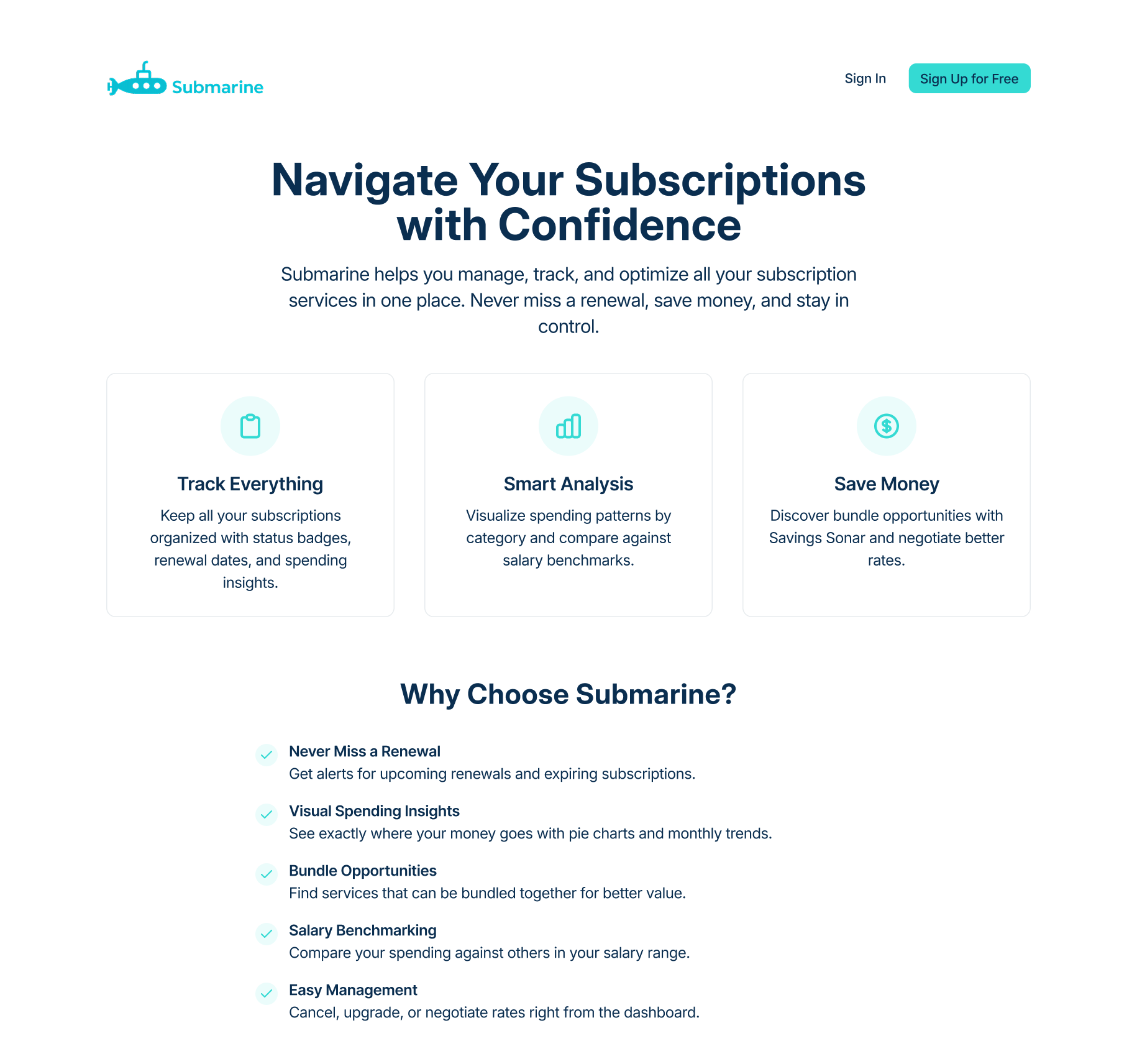
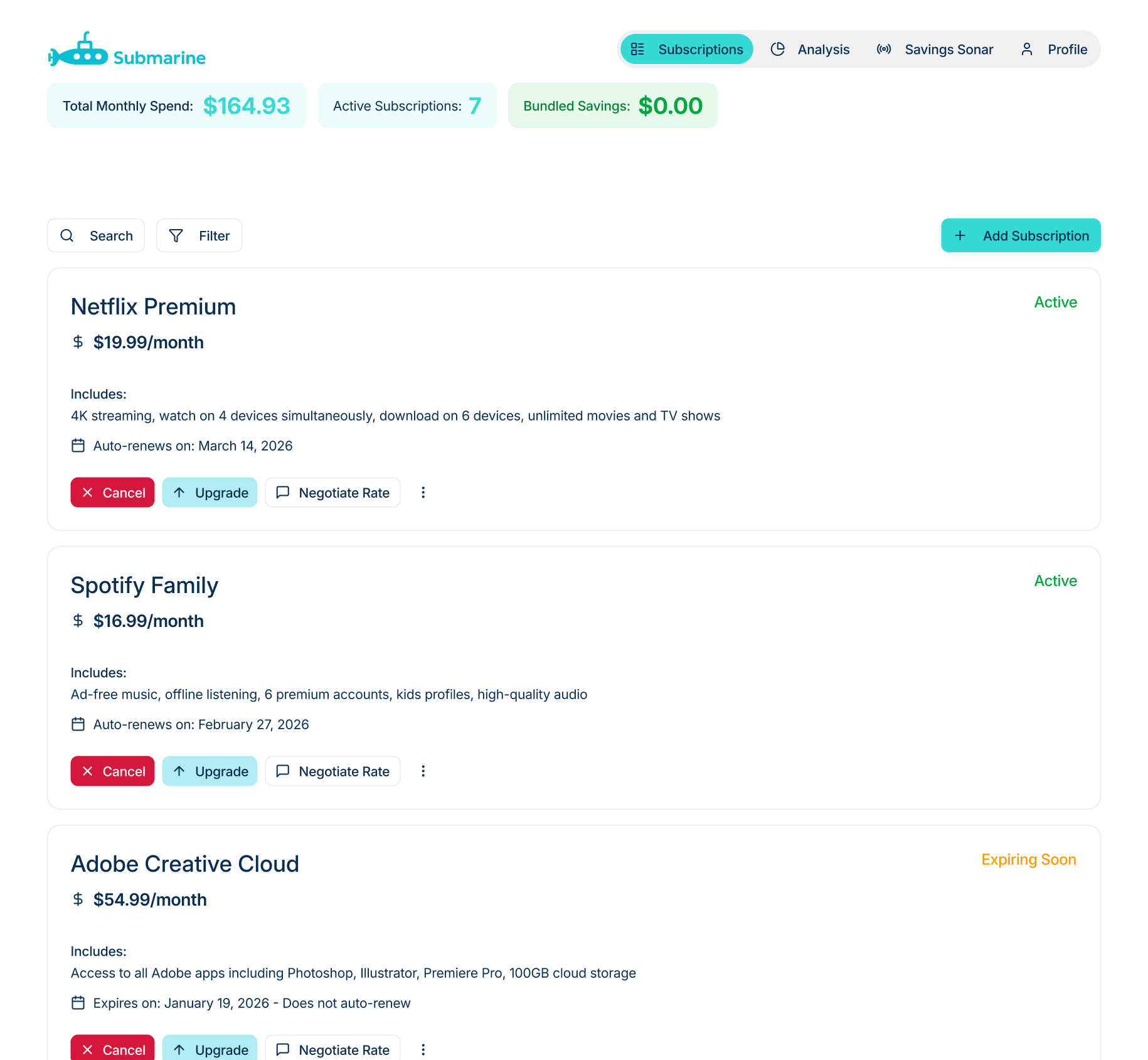
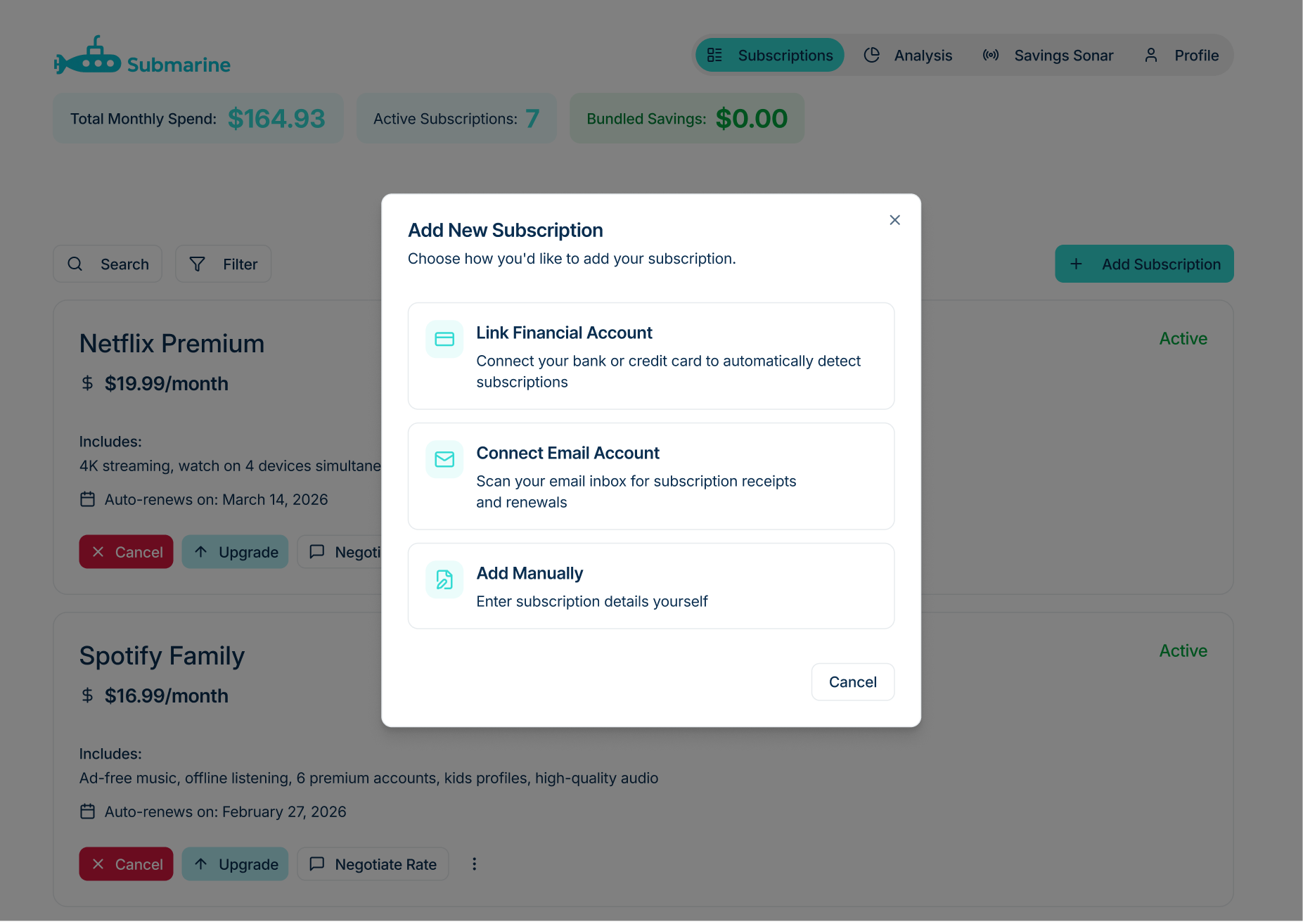
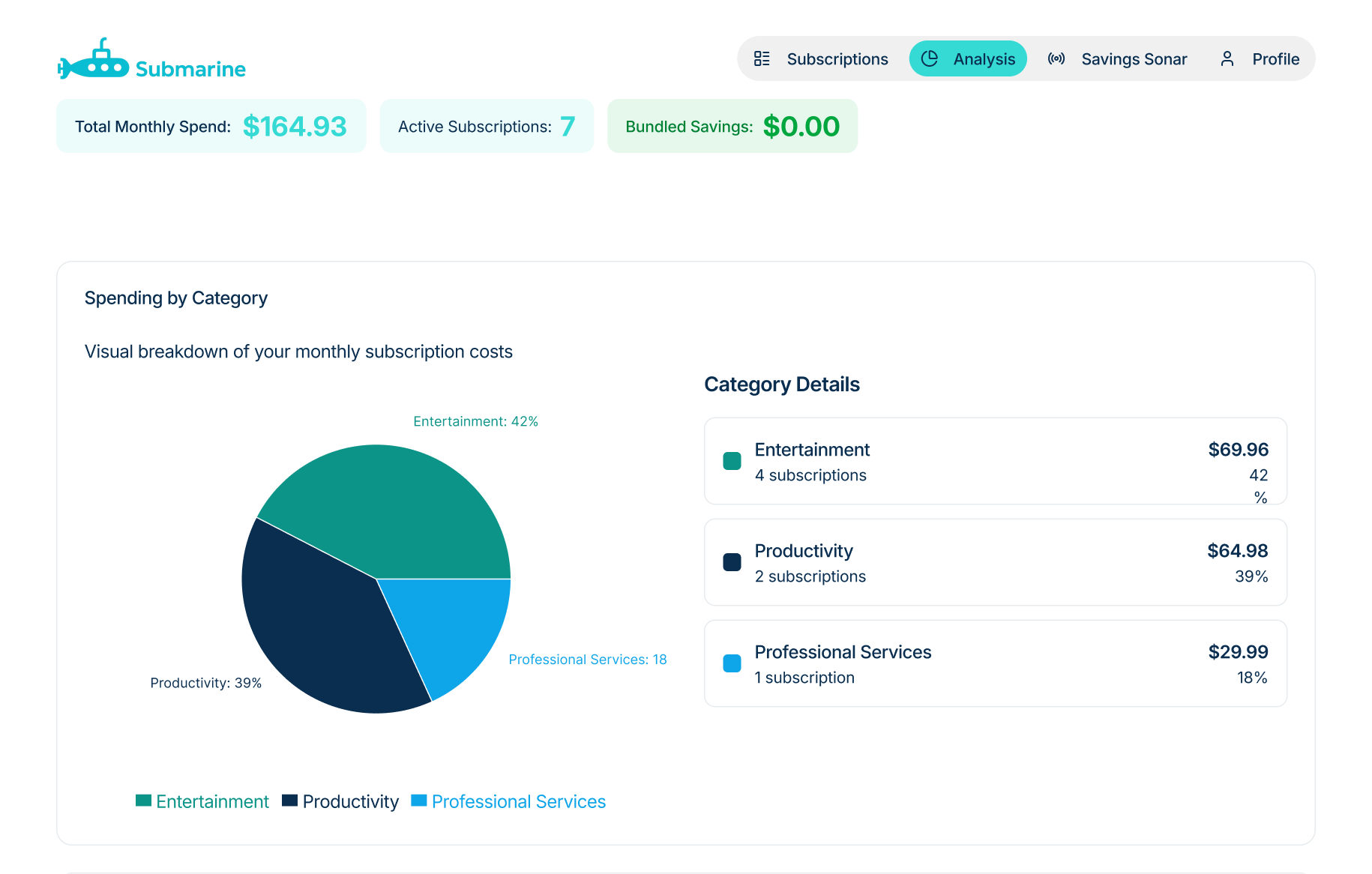
Below is a quick prototype built using Figma Make. It only took a couple hours to produce, but has a full end-to-end UX for the landing page for the subscription manager, along with a sign in, add subscription, manage subscriptions, and savings screen.